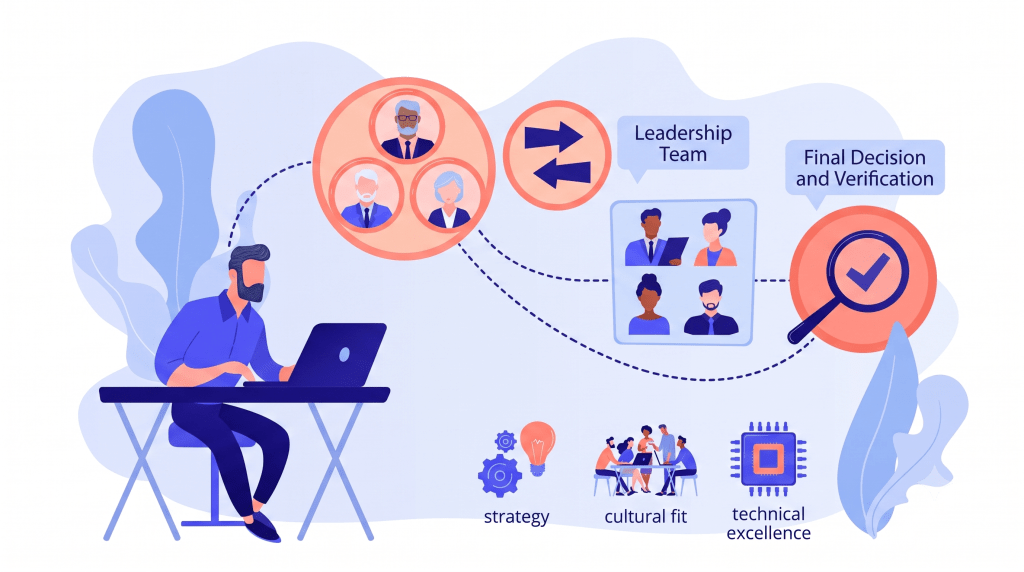
What Are Tech Employers Really Screening for in Senior Software Interviews?
What does this blog cover:
- Learn how employers evaluate your deep technical seniority through system design, architectural trade-offs, and cloud resilience rather than a list of keywords on your CV.
- Discover why shifting your interview narrative from task execution to business impact and accountability is the key to proving senior-level ownership.
- Understand the crucial soft skills—like communication, mentorship, and commercial awareness, that ultimately decide which candidate gets the offer when technical skills are matched.
- Find out how to demonstrate the professional judgment and critical thinking required to use AI-assisted development tools responsibly.
- Get practical strategies on preparing high-impact stories and questions that prove you think like an owner rather than just a coder.
Hiring a senior software professional is rarely about confirming whether they can code. By the time someone reaches a senior interview, most employers already believe they have the core technical capability. The interview is designed to answer a harder question: can this person make good decisions, strengthen the team and take ownership when the answer is not obvious?
In my previous blog, From Coder to Collaborator: How AI-Driven Development Is Changing the Senior Software Role, I discussed how AI is shifting the value of senior engineers away from coding speed and towards architecture, judgement and collaboration. That change is now visible in interviews.
What Are Tech Employers Really Screening For?
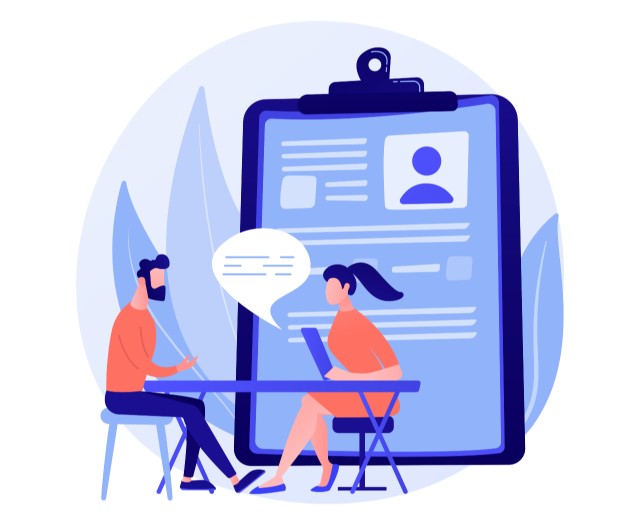
Tech employers in Ireland are screening for evidence that a senior software hire can make sound technical decisions, improve the people around them and connect engineering work to business outcomes. Strong coding is the baseline; judgement, ownership, communication and architectural thinking separate the strongest finalists.
How Do Employers Test Genuine Technical Seniority?
A long list of technologies on a CV may secure an interview, but it will not prove seniority. Hiring managers want to understand the depth behind those keywords.
This is why system design and scenario-based questions matter. Rather than asking, “Have you used microservices?”, an interviewer may ask when a modular monolith would be the better choice. Instead of checking whether someone has worked with Azure or AWS, they may explore how the candidate designed for resilience, controlled cloud costs or handled a production failure.
Employers are usually assessing whether the candidate can:
- Explain architectural decisions and the trade-offs behind them.
- Design for scalability, security, reliability and maintainability.
- Balance ideal engineering with deadlines, budgets and existing systems.
- Take responsibility for testing, observability, code quality and technical debt.
- Use AI-assisted development tools without trusting their output blindly.
The strongest candidates do not pretend there is one perfect answer. They clarify assumptions, compare options and explain why a particular approach suited the organisation and product.
Why Does Ownership Matter at Senior Level?

A clear difference between a mid-level and senior interview is how the candidate speaks about responsibility.
A weaker answer focuses on tasks: “I built the API” or “I completed the migration”. A stronger answer explains the wider situation. What problem was the business solving? What options were considered? What went wrong? How did the candidate influence the outcome?
Hiring managers want evidence that the person can take ownership beyond assigned tickets. That includes challenging unclear requirements, helping to prioritise work, responding calmly to incidents and admitting when a decision needs to change.
A thoughtful account of a failed deployment or poor architectural choice can be more convincing than a story where everything supposedly went perfectly. Accountability builds trust.
Which Soft Skills Are Employers Assessing?
Technical expertise may get a candidate into the final stages, but soft skills frequently determine who receives the offer. I see this repeatedly in the Irish market when two candidates have similar technical backgrounds.
Employers are looking for:
- Clear communication: Can they explain complexity without hiding behind jargon?
- Collaboration: Do they listen and respond constructively to challenges?
- Mentoring: Can they raise standards while supporting less-experienced colleagues?
- Adaptability: How do they respond when priorities change?
- Curiosity: Do they ask thoughtful questions about the product and users?
- Commercial awareness: Can they connect technical choices to cost, risk and customer impact?
- Emotional maturity: Can they disagree professionally without bringing ego into the conversation?
This is not about hiring the most outgoing person. What matters is whether they can make their thinking understandable, build confidence and work productively across engineering, product and leadership teams.
How Is AI Changing the Interview?
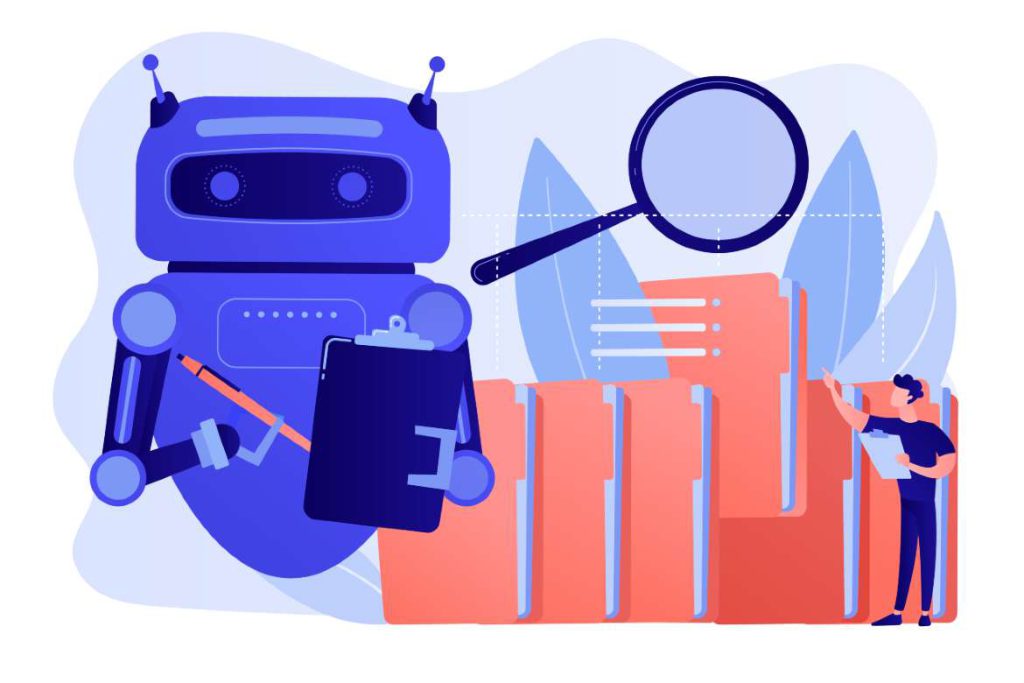
AI has made it easier to generate code, prepare polished answers and complete some take-home exercises. Employers are therefore placing more value on how candidates evaluate and improve technical output.
A senior engineer may be asked how they use AI tools, where they would restrict them and how they review AI-generated code for security and maintainability. Saying “I use Copilot” is not enough. The real question is whether the candidate applies professional judgement.
Good answers recognise both the benefits and limits. AI can accelerate boilerplate, documentation, testing and exploration. It cannot take accountability for a production decision or replace thoughtful peer reviews.
What Makes a Senior Candidate Stand Out?
The best senior candidates do not simply claim to be strategic, collaborative or technically strong; they demonstrate it through specific examples.
Before an interview, candidates should prepare stories showing:
- A difficult architectural decision and its trade-offs.
- A production incident they helped resolve.
- A disagreement handled constructively.
- A time they mentored someone or improved team delivery.
- A situation where business priorities changed the technically ideal solution.
- Responsible use of AI or automation.
The reflection matters as much as the result. Employers want to hear what the candidate learned, what they would do differently and how their decisions affected others.
Candidates should also ask good questions. Asking about engineering standards, technical constraints, team structure and product priorities shows that they are thinking like an owner rather than simply trying to pass a test.
Final Thoughts: Seniority Is About Impact
Years of experience can indicate exposure, but they do not automatically prove seniority. Strong senior software hires combine technical depth with judgement, accountability and the ability to improve outcomes beyond their own code.
From what I see across Ireland’s technology market, employers are screening for engineers they can trust with ambiguity: people who can design carefully, communicate clearly, challenge constructively and help others perform at a higher level.
The interview is not only asking, “Can you build this?” It is asking, “Can we rely on you to help decide what should be built, how it should be delivered and how the team will succeed?”.
Finally, if you’re a senior software professional looking for a new career opportunity, head over to our live IT careers page to apply.
FAQs: Senior Software Interviews
A: Employers commonly assess system design, architecture, cloud and distributed systems, testing, security, observability and the ability to explain technical trade-offs.
A: Yes. Once technical competence is established, communication, collaboration, ownership, mentoring and commercial awareness often determine which candidate receives the offer.
A: They should explain where AI improves productivity, how they validate its output and where human judgement, security controls and peer review remain essential.