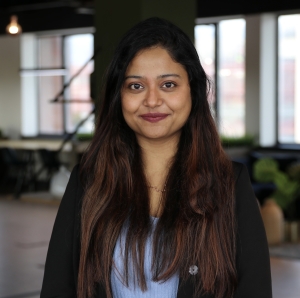
Understanding the UX/UI Interview Prep Process from a Recruiter’s Perspective
Quick Summary
- UX/UI job demand remains strong with many live UX/UI jobs listed in Dublin and across Ireland on LinkedIn and job boards.
- The typical UX/UI interview process includes a recruiter screening, portfolio review conversation, a design exercise or challenge, and a final culture or behaviour interview.
- Effective interview preparation for UX/UI designers means researching the company, refining your portfolio presentation, and building confidence in your storytelling.
- At GemPool, my preparation style focuses on tailored guidance, clear expectations, and helping candidates present both their UX/UI skills and design mindset.
UX/UI Interview Process Trends in Dublin and Ireland
The UX/UI market in Dublin and across Ireland is picking up, with dozens of open positions ranging from junior visual designers to senior user experience roles. When I speak with hiring teams, they consistently highlight the importance of candidates who can clearly communicate their thinking and demonstrate how they solve real user problems.
A typical UX/UI interview process begins with an initial screening call where your background, motivation, and overall fit are discussed. This is usually followed by a portfolio review conversation, where hiring teams focus on how you approached specific projects, the decisions you made, and the outcomes you achieved.
Many companies also include a practical design exercise or challenge to better understand your problem-solving approach in a real-world scenario. Final stages often involve behavioural or cultural fit interviews to assess how you collaborate, communicate, and contribute within a team environment.
While experience is important, how you articulate your design process and thinking often plays an equally significant role in hiring decisions.
How UX Designers Should Prepare
The best UX/UI interview preparation is practical, focused, and intentional.
First, research the company you are interviewing with. Understand their product, target users, design priorities, and overall business goals. This allows you to tailor your responses and demonstrate genuine interest.
Second, refine your portfolio narrative. Don’t just present visuals — focus on explaining your reasoning. Be clear about why you chose certain design directions, how you framed the user problem, what trade-offs you considered, and what impact your work had. Hiring teams are particularly interested in how you think, not just what you produce.
Third, practise talking through your work out loud. UX interviews are conversational in nature, and being comfortable articulating your process helps you communicate more effectively and confidently.
Finally, prepare thoughtful questions. Asking the right questions not only helps you evaluate the role but also shows that you understand how design functions within a team environment.
Some strong examples include:
- “Can you walk me through your current design process and how UX/UI fits within the wider product team?”
- “How do designers typically collaborate with product managers and engineers here?”
- “What does success look like for someone in this role in the first 3–6 months?”
- “What are the biggest design challenges the team is currently facing?”
- “How is user feedback gathered and incorporated into design decisions?”
- “What tools and systems does the team use for design, research, and collaboration?”
- “How are design decisions reviewed and approved within the team?”
- “Are there opportunities to contribute to user research, or is that handled by a dedicated function?”
Asking questions like these demonstrates curiosity, engagement, and a deeper understanding of how design operates in practice. It also helps you determine whether the team’s working style aligns with your own expectations and career goals.
How I Evaluate UX/UI Candidates
From a recruiter’s perspective, the interview process is not just about assessing experience on paper — it’s about understanding how a candidate thinks, communicates, and approaches real-world problems.
During initial conversations, I look for clarity in how you talk about your background, your motivations, and your career direction. Strong candidates are usually able to articulate not just what they’ve done, but why they made certain decisions and what they learned along the way.
In portfolio discussions, I focus on how you present your work. I pay close attention to how you frame the problem, how you describe your design process, and how you explain the reasoning behind your choices. It’s important to understand your level of ownership in each project, the constraints you worked within, and the impact your work had. Candidates who stand out are those who can clearly connect their decisions to user needs and business outcomes.
Communication style and structure also play a key role. Being able to tell a clear, concise story — without losing focus or overcomplicating your explanation — is a strong indicator of how effectively you will collaborate within cross-functional teams.
Ultimately, strong UX/UI candidates demonstrate:
- A clear understanding of their role in each project
- A structured approach to problem-solving
- Awareness of trade-offs and constraints
- The ability to explain design decisions with confidence
- Ownership and accountability for their contributions
For candidates preparing for interviews, clarity is key. Be confident in explaining what you contributed, why you made specific decisions, what challenges you faced, and what outcomes you achieved. When you can communicate this effectively, it becomes much easier for hiring teams to understand your value and potential fit.
How I Prepare Candidates at GemPool for UX/UI Job Interviews

My role as a Senior Recruiter is to help candidates feel confident, clear, and fully prepared at every stage of the process. Preparation begins with an in-depth qualification call where we have a genuine conversation about your background, career goals, motivations, salary expectations, and notice period. This helps me understand how you work so I can position your strengths effectively.
After our conversation, I provide a detailed overview of the company, role, and interview process in clear and practical terms. I outline what each stage involves, who you will be speaking with, the expected format and duration, and what the hiring team is trying to assess. I also include tailored preparation guidance so you can focus your time and energy on the right areas.
For example, I typically outline the process like this:
“Your initial interview will be a 30-minute video conversation focused on your background and a walkthrough of your portfolio. Prioritise your strongest projects and be ready to clearly explain your design decisions, process, and impact. It’s also a good idea to prepare a few questions about the team and how they work. Approach this stage as a two-way discussion — both sides are evaluating alignment.”
If you progress to further stages, I schedule dedicated preparation sessions before each round, either virtually or in person where possible. During these sessions, we review expected interview topics, refine your portfolio presentation, and work on structuring your responses. I will also focus on confidence, delivery, and ensuring you feel fully prepared going into each conversation.
A key part of my approach is reminding candidates that interviews are not adversarial. They are conversations designed to assess mutual fit. When candidates approach interviews with this mindset, they tend to communicate more naturally and present themselves more effectively.
Final Thoughts on UX Interview Prep in Ireland
UX/UI interview preparation is about more than just refining your portfolio. It’s about understanding the company, communicating your design story with clarity, and building the confidence to engage in meaningful conversations.
In a competitive and growing UX/UI market, candidates who prepare in a structured and intentional way are more likely to stand out. Strong preparation not only helps you answer questions effectively but also enables you to connect your experience to what hiring teams are truly looking for.
At GemPool, I work closely with candidates to guide them through each step of the process, ensuring they feel supported, informed, and ready to present their best selves. The goal is not just to secure an interview, but to help you find a UX/UI role that aligns with your skills, goals, and design mindset.
Keep an eye on our company page for upcoming UX/UI roles, and explore our insights page for more industry-related blogs and guidance.
UX/UI Recruitment FAQs:
A: The standard UX/UI interview process usually consists of three stages: an initial recruiter screening, a detailed portfolio review, a practical design exercise or whiteboard challenge, and a final behavioural interview focused on culture fit and team collaboration.
A: Successful portfolio preparation involves more than showing visuals. You should focus on the narrative: explain your problem-solving process, the reasoning behind your design decisions, the trade-offs you made, and the measurable impact or outcomes of the project.
A: Demonstrating a design mindset involves asking about the team’s workflow. Effective questions include: “How is user feedback incorporated into design decisions?“, “How do designers collaborate with engineers and product managers here?“, and “What are the biggest design challenges the team is currently facing?“
A: Storytelling is critical because hiring managers aren’t just looking at the final product; they want to see how you think. Articulating your journey, from identifying a user problem to final execution, proves you have a structured approach to design and can communicate effectively within cross-functional teams.
A: Recruiters and hiring managers prioritise candidates who show clear ownership of their work, awareness of constraints, a structured approach to problem-solving, and the ability to explain complex design decisions with confidence and clarity.